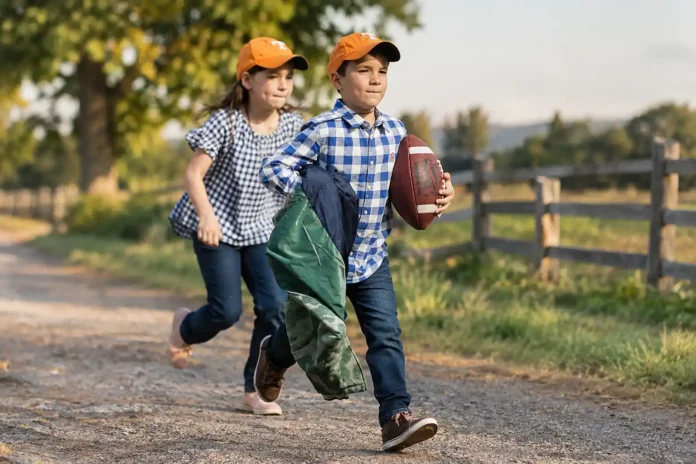
Peyton Manning’s name is stitched into NFL history, but these days a different storyline is drawing attention — his kids. Peyton Manning kids, twins Marshall and Mosley, are growing up fast, and fans want to know their ages, their interests, and whether football greatness runs in the blood again. This article covers where the Manning kids stand today, from Marshall’s early football exposure to Mosley’s own quieter path.
Biography Table
| Field | Details |
|---|---|
| Full Name | Marshall Williams Manning & Mosley Thompson Manning |
| Date of Birth | March 31, 2011 |
| Age | 15 (as of 2026) |
| Nationality | American |
| Parents | Peyton Manning (father), Ashley Thompson (mother) |
| Siblings | Fraternal twins (to each other) |
| Notable Ties | Grandfather Archie Manning, uncles Eli Manning and Cooper Manning |
| School | Baylor School, Chattanooga, Tennessee |
| Field of Interest | Marshall — football (quarterback); Mosley — multiple sports including soccer, tennis, and skiing |
Who Are Peyton Manning’s Two Kids?
Peyton and his wife, Ashley Thompson, welcomed fraternal twins on March 31, 2011 — a son, Marshall, and a daughter, Mosley. Their arrival came during a couple of years marked by uncertainty, as Peyton was recovering from neck injuries that had put his career on hold.
Ashley, a Tennessee native who met Peyton while both attended the University of Tennessee’s College of Communication and Information, has been described as the main force behind keeping the family’s day-to-day life grounded. Her support during that stretch became, in Peyton’s own words, an ultimate blessing in disguise for the family.
The twins were born the same year Peyton was between teams, and their early years overlapped with one of the most closely watched chapters of his NFL career. By the time he won a third Super Bowl with the Broncos, Marshall and Mosley were already toddlers watching from the sideline.
Today, both kids are teenagers navigating the same question every Manning before them has faced: how much of the family name to carry forward, and how much of a fresh, individual identity to build for themselves.
All About Marshall Manning
Marshall, the son, has become the most talked-about of the Manning kids largely because of football. He plays quarterback for the varsity team at Baylor School in Chattanooga, following in his dad’s footsteps in a very literal sense — same position, same sport, same national scrutiny that comes with the last name.
Comparisons to Peyton Manning, and by extension to uncles Eli Manning and Cooper Manning, started early. Reporters and Vols fans alike have tracked his progress since middle school, and by his eighth-grade year he was already appearing at Manning family events like Pro Bowl warmups, throwing passes alongside NFL players.
Marshall has said in interviews that he’s aware of the pressure that comes with football greatness in his bloodline, but he’s tried to treat it as motivation rather than a burden. He’s spoken about wanting his own path, distinct from being compared endlessly to his father or his cousin, Arch Manning, the Texas quarterback and one of the nation’s top recruits.
Off the field, Marshall has worn a mix of jerseys growing up — Broncos colors from his dad’s playing days, a Chiefs jersey as a nod to admiring Patrick Mahomes, and flag football jerseys from his earliest playing days in Indianapolis and Denver. His early exposure to multiple sports, not just football, has been part of the family’s approach to raising well-rounded kids.
All About Mosley Manning
Mosley, Marshall’s twin sister, has taken a different route — one less centered on the spotlight. While her brother draws headlines for football, Mosley has been a multi-sport athlete in her own right, playing soccer, tennis, and softball, and joining her family on ski trips.
She’s also been a visible presence at big family moments: sideline cheering during her dad’s Hall of Fame induction, attending events like the ESPY Awards, and appearing in family interviews with People and other outlets where Peyton has spoken about coaching his kids’ teams himself.
Peyton has talked about assistant-coaching Mosley’s teams as one of the more rewarding parts of retirement, noting that watching his own kids play holds more amazement for him than most of what he did on an NFL field. Mosley reportedly counts an NFL wide receiver, Stefon Diggs, among her favorite players — a small detail that made its way into a joked-about moment during one of Peyton’s retirement-related appearances.
Unlike Marshall, Mosley hasn’t drawn the same media attention, which appears to be by design. The family has generally kept her school life and specific achievements more private, letting her explore her own interests without the added weight of constant comparisons.
Legacy, Pressure & Comparisons to Family
Being a Manning kid comes with a family’s history that’s hard to escape. The name alone sets a high bar — Archie, Peyton, Eli, and now Arch Manning have combined to make “Manning” nearly synonymous with quarterback excellence at the highest levels of college and professional football.
Marshall, as the sibling drawing football comparisons, faces the most direct version of this pressure. Media attention around his high school career already echoes coverage that once followed Cooper Manning, Peyton’s older brother, whose own promising football career was cut short by a medical condition before he ever got the chance for a college decision on his own terms.
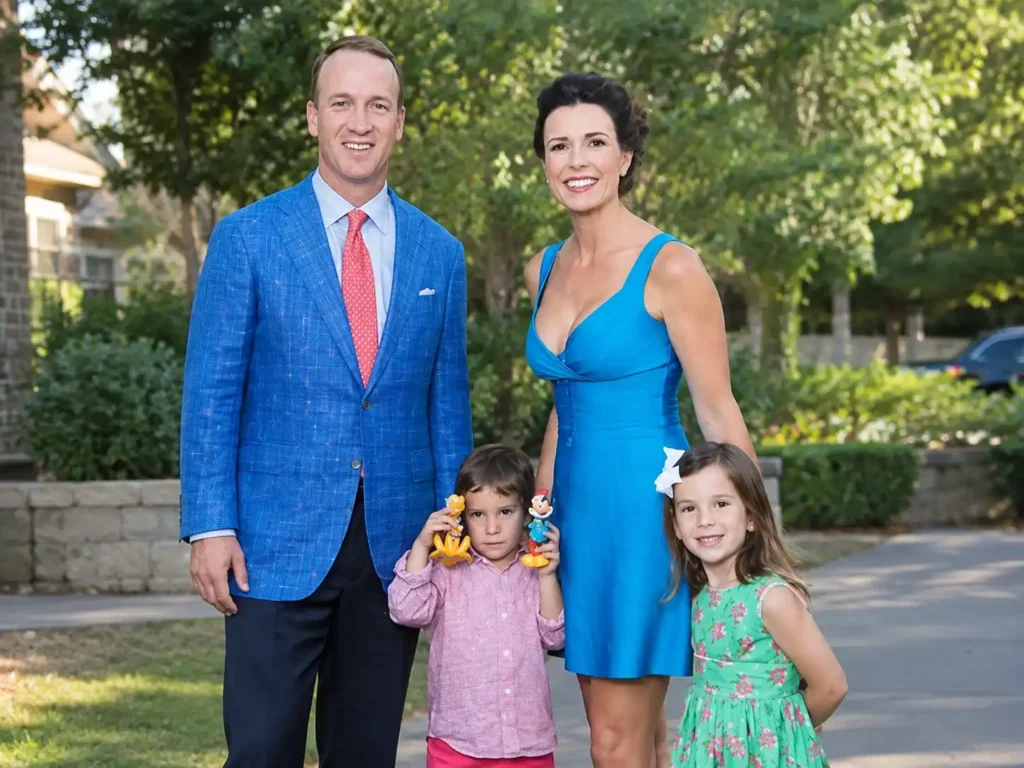
There’s a broader context here too — plenty of families with a famous relative wrestle with similar dynamics, whether it’s LeBron James’ sons stepping into basketball or other athletes’ kids inheriting a spotlight they didn’t ask for. The challenge for young Manning is separating genuine talent and interest from the assumption that a highlight reel is destiny.
Mosley’s situation looks different, and possibly easier because of it. Without a sport that ties directly to the family’s football fame, she has more room to define herself outside the shadow of her famous brother and father, even as a Manning sibling.
The Manning Family’s Approach to Raising Children
Peyton and Ashley have described their parenting style in interviews as centered on freedom and exposure rather than pressure. The goal, as Ashley put it in a past interview, has been giving both kids the opportunities and stability to become well-rounded individuals — not pushing football or any single sport as the only acceptable path.
Ashley has functioned as something of a primary caregiver during Peyton’s most demanding post-retirement stretches, when broadcasting work, appearances, and business ventures have kept him traveling. That stability at home has let both kids explore their own interests and unique talents without one parent’s career fully dictating their upbringing.
The family’s dynamics also lean on a wider support system — Archie and Olivia Manning as grandparents, Eli and Cooper as uncles who’ve lived through similar scrutiny themselves. That kind of loving environment, built around people who understand exactly what the twins are facing, is something not every family with a famous name has access to.
It’s a strategy that seems intentional: let the kids see the sport, the fame, and the expectations up close, but don’t make any of it mandatory.
College and Future Prospects
Marshall’s football trajectory has already put college decisions on the radar years earlier than most players face them. Coaches and scouts pay close attention to sports-loving families with this kind of pedigree, and his time at Baylor School is widely viewed as preparation for a high-profile recruiting process once he’s eligible.
Whether Marshall follows Peyton and Arch to Tennessee, or charts a different course entirely, remains to be seen — Cooper Manning has noted publicly that the kids in this generation seem determined to make their own decisions rather than default to family tradition. That said, the family’s reputation and educational journey options give him real advantages most recruits don’t have.
Mosley’s future looks less tied to a single, predictable script. Her athletic background across multiple sports and academic environment suggest she’s building toward whatever comes next on her own timeline, without a defined public-facing goal the way Marshall’s football path has created.
For both kids, the complexities of being Manning kids will likely keep following them through their college years and beyond, regardless of which sport, school, or career they eventually choose.
David Gabriel Georges Is Gonna Be a Problem
Marshall’s rise on the football field hasn’t happened in isolation — he’s part of a broader wave of young, high-profile prep talent drawing comparisons to future stars. One name generating similar buzz is David Gabriel Georges, a 6-foot, 210-pound talent already being hyped as the next Derrick Henry after an insane play during a recent high school game.
Georges, a Tennessee commit and 5-star prospect, put together a stat line of 250 total yards and three touchdowns in a game where he was reportedly used sparingly, hinting at even more upside. His social media following has grown quickly, with fans across the country already discussing what a few more years of development could mean for his recruiting stock.
The comparison to Marshall Manning is more about the phenomenon than the position — both are examples of the intense, early spotlight that now finds elite high school talent well before their senior year. Where Marshall carries a legendary last name into that scrutiny, Georges is building his own name from scratch, with performances that speak for themselves.
It’s a reminder that the pressure Marshall faces isn’t unique to being a Manning — it’s increasingly the norm for any kid who shows serious promise at a young age in high school football.
Conclusion: The Manning Family’s Legacy Continues
The next generation of Mannings is still writing its own story. Marshall’s dedication to football and Mosley’s broader passions both reflect a family that has valued hard work, love, and support over forcing a single definition of success onto its children.
Whatever path each of Peyton Manning kids ultimately chooses, the family’s rich history in the world of sports gives them a fresh perspective most kids never get — along with a level of scrutiny most kids never have to handle either.
FAQs
How old are Peyton Manning’s kids in 2026?
Marshall and Mosley Manning were born on March 31, 2011, making them 15 years old as of 2026. They are fraternal twins, meaning they share a birthday but aren’t identical.
What are the names of Peyton Manning’s kids?
Peyton and his wife, Ashley Thompson, have two children together: a son, Marshall Williams Manning, and a daughter, Mosley Thompson Manning. They’re the only two children in Peyton and Ashley’s family.
Does Peyton Manning’s son play football?
Yes. Marshall Manning plays quarterback for the varsity team at Baylor School in Chattanooga, Tennessee, and has already drawn national attention and comparisons to his father and uncles.
Is Mosley Manning into sports too?
Mosley plays multiple sports, including soccer, tennis, and softball, and has joined her family on ski trips. She hasn’t pursued football competitively like her twin brother, Marshall.
Where do Peyton Manning’s kids go to school?
Marshall attends Baylor School, a well-regarded prep school in Chattanooga, Tennessee, known for its strong athletic programs. Mosley’s specific school details have been kept largely private by the family.
Will Marshall Manning play college football like his dad?
It’s too early to say for certain. Marshall is still in high school, and while his quarterback play has generated recruiting buzz, no college decision has been made public as of now.
Read About : charlie kirk’s parents