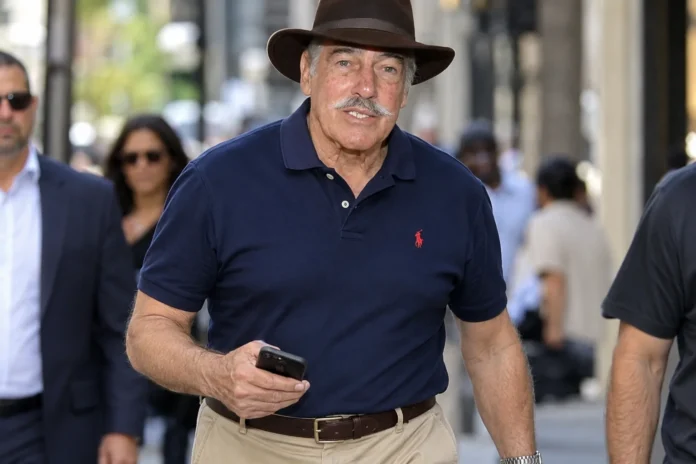
Andrés García was one of the last surviving stars of the Golden Age of Mexican cinema, and for decades his name meant romance, danger, and charm on screen. Born in the Dominican Republic and later a naturalized Mexican, he made over 50 films and starred in some of the most popular telenovelas in Latin America. He died at his home in Acapulco on April 4, 2023, at age 81, after a long fight with cirrhosis. His story covers exile, fame, family, and a very public goodbye.
Andrés García Biography
| Field | Details |
|---|---|
| Full Name | Andrés García García |
| Nickname/Stage Name | Andrés García |
| Date of Birth | May 24, 1941 |
| Place of Birth | Santo Domingo, Dominican Republic |
| Date of Death | April 4, 2023 |
| Age | 81 (at the time of death) |
| Nationality | Dominican-born, naturalized Mexican |
| Zodiac Sign | Gemini |
| Ethnicity | Spanish descent |
| Profession/Occupation | Actor, producer, scuba diving instructor |
| Years Active | 1967–2010 |
| Genre/Field | Film, telenovelas, action-adventure, romantic drama |
| Spouse/Partner | Sandra Vale, Sonia Infante, Margarita Portillo (wife at the time of his death) |
| Children | Andrés García Jr., Leonardo García, Andrea García |
| Parents | Andrés García La Calle (father) |
| Notable Works | Chanoc, Pedro Navaja, Tintorera, Tú o nadie, El privilegio de amar, Mujeres engañadas |
| Awards/Honors | Ariel nomination for Best Supporting Actor for El principio (1972) |
Early Life and Roots in the Dominican Republic
A Childhood Shaped by Exile
Andrés García was born on May 24, 1941, in Santo Domingo. His parents were Spanish Republicans who fled after the Spanish Civil War and found refuge in the Dominican Republic. His father, Andrés García La Calle, had been a combat pilot in the Republican Air Force. That history of exile and survival shaped the family long before the boy ever stood in front of a camera.
When you look at his tough, confident screen roles, it helps to remember where he came from. He grew up in a household that had already lost one homeland. That gave him a mix of Spanish heritage and Caribbean warmth. Audiences across the region picked up on that blend even if they didn’t know the backstory.
The Move to Acapulco
The family emigrated to Mexico when he was still young and settled in Acapulco. The coastal city became his home for the rest of his life. He later became a Mexican citizen, and Mexican audiences always treated him as one of their own.
Before acting took over, he worked as a scuba diving instructor in Acapulco. That outdoor, physical background made sense with the rugged characters he later played. He began working in Mexican film and TV in the late 1960s. Within a few years, his good looks and easy screen presence started getting attention.
Film Career and the Chanoc Breakthrough
Becoming a Household Name With Chanoc
His big break came in 1967 with Chanoc, an action-adventure film based on a popular comic series. He played the title character at about age 25. The role made him a household name almost overnight. It also set up the gallant, heroic persona that followed him for the rest of his career.
Before that, he had already appeared in photo romance novels, which were hugely popular at the time. Those printed stories helped producers notice how well he came across visually. Chanoc turned that image into box office success across the region.
The 1970s and 1980s: Peak Film Years
Through the 1970s, García became one of the busiest leading men in Mexican cinema. He moved easily between action, comedy, and drama. His film career grew to more than 50 roles, and many became cult favorites with Latin audiences.
Here are some of the films most often linked to his name:
| Film | Year | Note |
|---|---|---|
| Chanoc | 1967 | Breakout title role |
| El principio | 1972 | Earned him an Ariel nomination |
| Tintorera | 1977 | Shark thriller, one of his best-known films |
| Ciclón (Cyclone) | 1978 | International disaster film |
| Pedro Navaja | 1984 | Film adaptation of the famous salsa story |
| Toña Machetes | — | Popular Mexican feature |
| Nora la rebelde | — | Starring role |
| La noche del halcón | — | Action drama |
| El día de los asesinos | — | Ensemble cast |
| Las tres magníficas, Minifaldas con espuelas, Los destrampados, El cínico, La última noche, Nadie te querrá como yo | — | Comedies and dramas from his peak years |
What Made His Screen Persona Work
In my experience writing about classic Mexican cinema, García stands out because he never looked like he was trying too hard. His characters were confident, a little dangerous, and always charming. That balance made him equally believable as a hero or a troublemaker.
Pedro Navaja is a good example. The character came from a well-known song story, and García gave it a cool, street-smart edge. Roles like this kept him popular even as the film industry changed in the 1980s.
Telenovela Career and International Success
From Film Star to Telenovela Leading Man
While films made him famous, telenovelas made him a Latin American icon. He started in TV drama in the early 1970s and kept returning to the format for decades. He worked with Televisa and also with Telemundo and Venezuelan and Spanish productions.
His telenovela roles reached homes in many countries. Several of his shows were dubbed or translated into other languages, which spread his fame far beyond Mexico. For many viewers, he was the face of the classic romantic hero.
Key Telenovelas Over the Decades
| Telenovela | Year | Network/Region |
|---|---|---|
| Las gemelas | 1972 | Televisa |
| Paloma | 1975 | Televisa |
| Tú o nadie | 1985 | Televisa |
| Herencia maldita | 1986 | Televisa |
| Mi nombre es Coraje | 1988 | Televisa |
| La mujer prohibida | 1991 | Venezuela |
| El privilegio de amar | 1998 | Televisa |
| Mujeres engañadas | 1999 | Televisa |
| Hospital Central | 2000 | Spain |
| El cuerpo del deseo | 2005 | Telemundo |
| Hay alguien ahí | 2010 | Mystery telenovela |
Tú o Nadie and El Privilegio de Amar
Tú o nadie (1985) is often named among his most successful telenovelas. It became an international success and is still remembered by fans who grew up watching it. His chemistry with the cast helped turn it into a classic of the decade.
In 1998 he took on El privilegio de amar, playing Andrés Duval. By then he was an older, more experienced actor, and the role used that maturity well. It showed that his appeal had grown with age instead of fading.
Work in the 2000s
In the 2000s he kept working in both Mexican and foreign productions. He appeared in Hospital Central in Spain and in Cuéntame cómo pasó, playing Víctor Barquero. He also joined the Telemundo hit El cuerpo del deseo in 2005.
These later credits show how wide his reach was. Few telenovela actors from the 1970s were still landing roles across Mexico, the US Hispanic market, and Spain more than 30 years later.
Later Years and Final Role
Hay Alguien Ahí: His Last Screen Role
His last live-action screen role came in 2010 with Hay alguien ahí, a mystery telenovela. After that, he mostly stepped away from acting. It was a quiet ending to a career that had started with a loud, action-packed debut.
Life Away From the Cameras
In his later years, García stayed in Acapulco and kept a public profile through interviews and social media. He spoke openly about his past, including his health struggles and his many relationships. Fans liked that he didn’t hide behind a polished image.
He also became part of the reality television and talk show world as a guest. Shows often invited him to tell stories about the Golden Age of Mexican cinema. For younger viewers, these appearances introduced a star they had only heard about from their parents.
Personal Life and Family
Marriages and Partners
García married several times. His first wife was the American Sandra Vale, and the two had sons Andrés Jr. and Leonardo. He later had a daughter, Andrea, with actress María Fernanda Ampudia. He was also married to Sonia Infante for several years.
His final partner and wife was Margarita Portillo. She stayed with him through his illness and was at his side when he died. Many fans came to know her through her updates on his condition.
His Children in Entertainment
All three of his best-known children followed him into show business. Andrés García Jr. and Leonardo García both became actors, and Andrea García also built a career in entertainment. It’s a clear sign of how much the family lived around the industry he helped shape.
Illness: Cirrhosis Diagnosis
Going Public With the Diagnosis
In July 2022, García revealed in a YouTube video that he had been diagnosed with hepatic cirrhosis. This is a condition where the liver develops severe scarring and slowly stops working properly. He spoke about it openly, which was typical of how he handled his public life.
He shared details that many celebrities would keep private. He said his hemoglobin and platelets were very low. He also talked about trouble with his short-term memory and motor skills.
How His Health Worsened
Over the following months, his health worsened steadily. He had difficulty walking and spent most of his time at home in Acapulco. Margarita Portillo cared for him every day during this period.
News programs followed his condition closely. The program De Primera Mano on Imagen Televisión shared updates on his health in the weeks before his death. Fans across Latin America watched these reports with real concern, because they knew time was running out.
Final Days and Death
Hospital Stay and Return Home
In early April 2023, García was taken to St. Lucia Hospital in Acapulco. He received a blood transfusion there, but he was too weak to recover. On Sunday, April 2, he received his last rites.
His family then brought him back home so he could spend his final hours in a familiar place. A nurse stayed with him, and his wife and his sister were close by. People who were there later said he left in peace.
The Day He Died
Andrés García died on Tuesday, April 4, 2023, at 3:07 p.m., at his home in Acapulco. He was 81 years old. The news spread quickly, and tributes came in from across Mexico and the Dominican Republic.
His wife, Margarita Portillo, announced his death on her Instagram profile. She shared that he took his last breath with her at his side. That simple message became the main way many fans heard the news.
Wake Arrangements in Acapulco
Where and When the Wake Took Place
The family held his wake at his home in Acapulco, on Urracas Street in the Fraccionamiento Costa Brava area. It began at 9:00 a.m. on April 5, 2023, the day after his death.
Holding the wake at home felt fitting. Acapulco had been his base since childhood. Friends, neighbors, and fans could say goodbye in the place most connected to his life.
Memberships and Professional Affiliations
García was a member of the National Actors Association (ANDA) in Mexico. This is the main Mexican interpreters’ association that represents actors in film, TV, and theater. ANDA shared condolences after his death, honoring his long contribution to Mexican entertainment.
His membership reflected how fully Mexico had accepted him. A Dominican-born actor had become an official part of the country’s acting community.
Tributes and Legacy
How Fans Remembered Him
After his death, readers and fans left condolences in an online guest book attached to his full obituary. Many shared memories of watching his telenovelas with family or seeing Chanoc as children. Those personal stories say more about his impact than any award list.
Why His Legacy Lasts
García’s legacy rests on two things: range and reach. He moved from comic-based adventure films to romantic telenovelas, and he did both well. His shows crossed borders, languages, and generations.
For anyone studying Latin American pop culture, he is a key figure. He links the Golden Age of Mexican cinema to the modern telenovela era. Very few actors can claim that bridge.
Internal linking spots: Link “El privilegio de amar” to an article on the telenovela’s cast, and link “Golden Age of Mexican cinema” to an overview article on that era.
FAQs
How Did Andrés García Die?
Andrés García died from complications of hepatic cirrhosis, a serious liver disease. He made his diagnosis public in July 2022. His condition got steadily worse, and he died at home in Acapulco on April 4, 2023.
How Old Was Andrés García When He Died?
He was 81 years old. He was born on May 24, 1941, so he died just weeks before his 82nd birthday.
Was Andrés García Mexican or Dominican?
He was born in Santo Domingo, Dominican Republic, to Spanish parents. His family moved to Mexico when he was young, and he later became a naturalized Mexican citizen. That’s why he is often called a Dominican-Mexican actor.
Who Was Andrés García’s Wife?
At the time of his death, he was married to Margarita Portillo, who cared for him during his illness. Before that, he was married to Sandra Vale and Sonia Infante.
How Many Children Did Andrés García Have?
His best-known children are Andrés García Jr., Leonardo García, and Andrea García. All three went into the entertainment industry, following their father’s path.
What Was Andrés García’s Most Famous Role?
His breakout film role was Chanoc (1967), which made him a household name. On TV, Tú o nadie and El privilegio de amar are among his most celebrated telenovelas.
Read About : susan egan