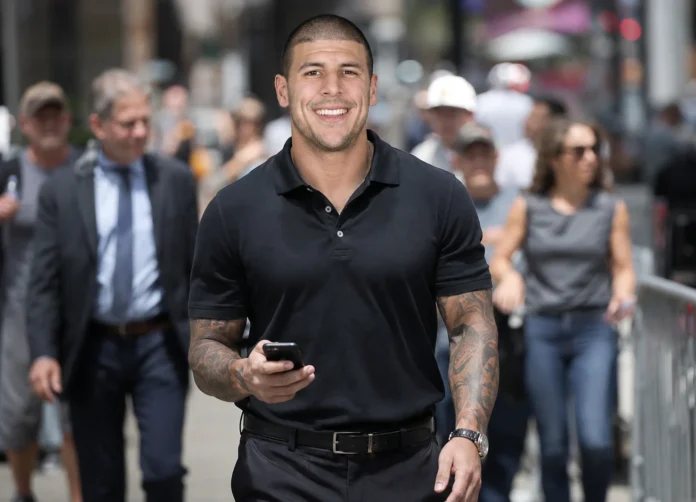
Aaron Hernandez was once one of the most promising tight ends in the NFL, a Pro Bowl talent with the New England Patriots whose career collapsed under the weight of a double life. Behind the touchdowns and headlines was a man tangled in violence, hidden struggles, and a murder conviction that stunned the sports world. His story remains one of the most talked-about tragedies in NFL history.
Aaron Hernandez Biography Table
| Field | Details |
|---|---|
| Full Name | Aaron Hernandez |
| Date of Birth | November 6, 1989 |
| Place of Birth | Bristol, Connecticut |
| Date of Death | April 19, 2017 |
| Age | 27 |
| Nationality | American |
| Profession/Occupation | Former NFL Tight End |
| Years Active | 2010–2013 |
| Education | University of Florida |
| Spouse/Partner | Shayanna Jenkins (fiancée) |
| Children | 1 daughter |
| Parents | Dennis Hernandez, Terri Hernandez |
| Siblings | D.J. Hernandez (brother) |
| Notable Works | New England Patriots, University of Florida Gators, John Mackey Award |
What Did Aaron Hernandez Do
Aaron Hernandez went from a rising NFL tight end to a convicted murderer in a shockingly short span. He signed a massive contract extension with the Patriots worth over 40 million dollars, then found himself at the center of multiple violent investigations within a few short years. His fall from grace remains one of football’s most jarring cautionary tales.
Beyond the murder of Odin Lloyd, Hernandez was also tied to a 2012 double homicide involving Daniel de Abreu and Safiro Furtado outside a Boston nightclub. He was later acquitted in that case, but the connection alone damaged his reputation permanently. Investigators also linked him to the shooting of his former associate, Alexander Bradley, who survived but lost an eye.
What made his story so unsettling wasn’t just the violence itself, but how it contrasted with his public image. He was a first-team All-American at Florida, a favorite target for Tim Tebow, and a key contributor to a national championship team. Few people close to the program saw the depth of his troubles coming.
Reporters and documentary makers have since tried to piece together how a player with so much talent ended up entangled in so much criminal behavior. Between his childhood trauma, concealed personal struggles, and exposure to a rough social circle, his downfall became a case study in missed warning signs.
How Did Aaron Hernandez Die
Aaron Hernandez died by suicide on April 19, 2017, inside his single cell at Souza-Baranowski Correctional Center in Shirley, Massachusetts. He was found hanging in his cell in the early morning hours and was pronounced dead shortly after 4 a.m. His death came less than a week after he was acquitted in the 2012 double murder case.
Prison officials reported that Hernandez had jammed his cell door from the inside and used a bedsheet to end his life. There were reportedly no conversations or clear signs beforehand suggesting he intended to take his own life, which left many, including his own defense team, questioning the circumstances.
He left behind a handwritten note referencing Bible verse John 3:16, along with a personal letter addressed to his fiancée. His attorney later said Hernandez wanted to tell his story fully but was also protective of the people involved in his life, choosing not to release all details publicly.
His death led to a rare legal outcome. Under an old Massachusetts doctrine called abatement ab initio, his murder conviction in the Odin Lloyd case was vacated because he died before his appeal was completed. This controversial ruling frustrated the Lloyd family and reignited debate over the fairness of the law.
Aaron Hernandez Gay
Questions about Aaron Hernandez’s sexuality resurfaced repeatedly during investigations into his life and his eventual death. Reports suggested he may have been bisexual or gay, and that keeping this hidden weighed heavily on him due to his strict, homophobic upbringing. His father reportedly created a highly masculine, sports-driven household that left little room for him to express his true self.
Sources close to the case, including former teammates and associates, alluded to a hidden side of his personal life that he worked hard to conceal. Journalists explored whether the pressure to hide this part of his identity contributed to his erratic and sometimes violent behavior, though this remains speculative and was never definitively proven.
Some reports pointed to a possible connection between his concealed sexuality and the motive behind the murder of Odin Lloyd, with certain theories suggesting Lloyd may have known something Hernandez desperately wanted kept private. This angle has been discussed on sports radio and covered in later investigative journalism, though it remains one of many theories rather than a confirmed fact.
Whatever the truth, those close to him have said the environment he grew up in didn’t allow space for honesty about identity. Losing his father at a young age, combined with a culture that demanded toughness above vulnerability, appears to have deepened his internal conflict.
Aaron Hernandez Brain
After his death, Aaron Hernandez’s brain was examined by the Boston University CTE Center, one of the leading research institutions studying chronic traumatic encephalopathy in former athletes. Researchers diagnosed him with Stage 3 CTE, describing it as the most severe case they had ever found in someone his age.
Dr. Ann McKee, a leading name in CTE research, noted that the damage found in his brain was typically seen in much older individuals, not someone who died at 27. The diagnosis pointed to significant impairment in memory, judgment, impulse control, and mood regulation, all of which are common symptoms linked to repeated head trauma from football.
The findings sparked renewed conversations about the long-term dangers of playing football at a high level, especially starting from a young age. His legal team pointed to the CTE diagnosis as a possible explanation, though not an excuse, for his increasingly aggressive and unpredictable behavior in his final years.
This case became part of a larger body of CTE research from Boston University, which has studied hundreds of former NFL players. While researchers acknowledge limitations in their sample selection, Hernandez’s case remains one of the most cited examples in discussions about football and brain trauma.
Aaron Hernandez Wife
Aaron Hernandez was never legally married, but he was engaged to his longtime partner, Shayanna Jenkins, often referred to as his fiancée throughout his life and in the years following his death. The two had been together since their teenage years and shared a close, complicated relationship that stayed intact through his legal troubles.
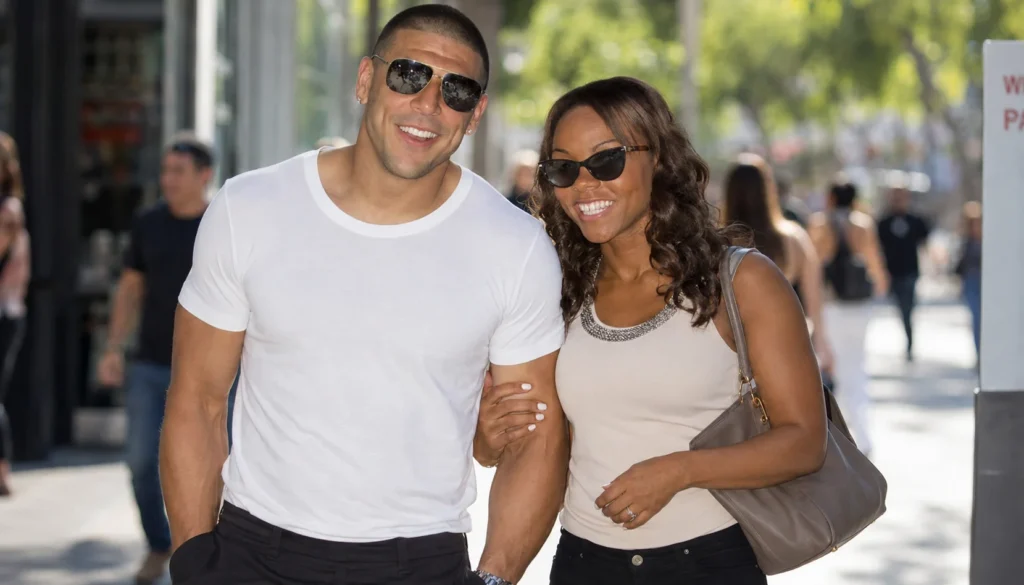
Shayanna stood by him throughout his trials, frequently appearing in the courtroom during his murder trial. Her sister was also connected to the case, as she was dating Odin Lloyd at the time of his death, adding a painful personal layer to an already devastating situation for the family.
After his suicide, Shayanna Jenkins-Hernandez spoke publicly about receiving his final letter, describing it as a personal expression of love rather than a detailed explanation of events. She later became involved in advocacy tied to his CTE diagnosis and the broader conversation about football-related brain injuries.
She has largely stayed out of the public eye since his death, focusing on raising their daughter while dealing with the long shadow left by his case.
Aaron Hernandez Daughter
Aaron Hernandez and Shayanna Jenkins had one daughter together, who was four years old at the time of his death in 2017. She became one of the central figures in the aftermath of his passing, both emotionally and legally, as questions arose about how his legacy would affect her future.
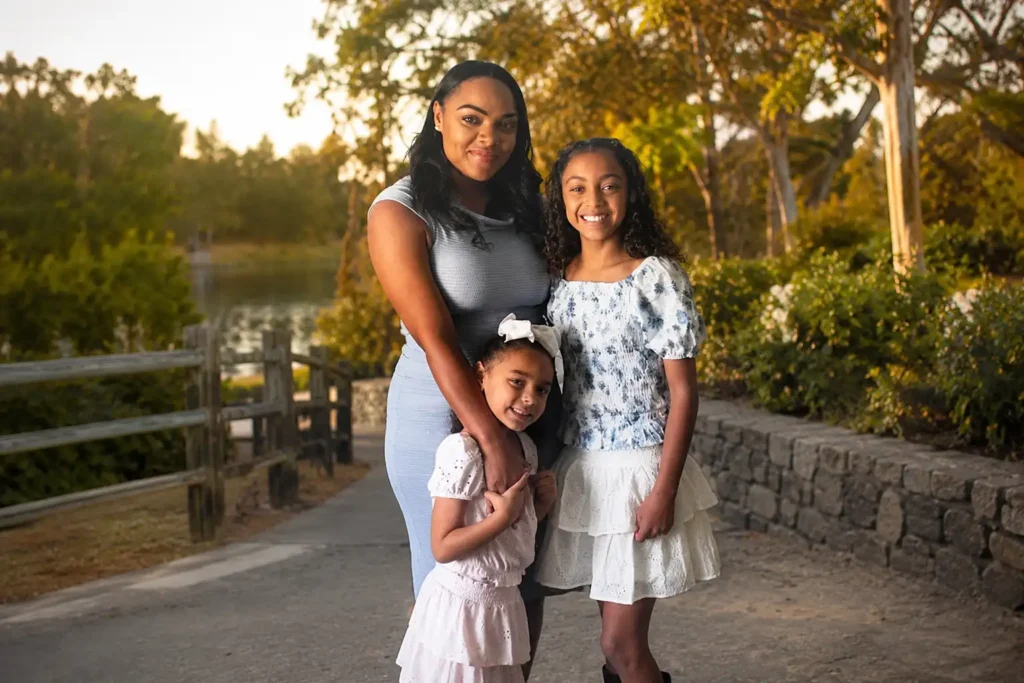
Following his suicide, a lawsuit was filed on behalf of his daughter against the NFL and the New England Patriots, seeking damages related to the effects of CTE. The case argued that repeated head trauma sustained during his football career contributed to the brain damage that may have influenced his violent behavior and eventual death.
This lawsuit placed Hernandez’s daughter at the center of a broader legal and medical debate about the league’s responsibility toward players who suffer long-term brain injuries. It also highlighted how the consequences of his choices extended beyond himself, affecting the people closest to him.
Since then, details about her life have remained largely private, with the family choosing to shield her from ongoing media attention surrounding her father’s case.
Who Did Aaron Hernandez Kill
Aaron Hernandez was convicted of murdering Odin Lloyd, a semi-professional football player who was dating the sister of his fiancée. Lloyd was shot to death in an industrial park near North Attleborough, Massachusetts, in June 2013, and Hernandez was arrested shortly after and charged with first-degree murder.
He was also tried for the 2012 double homicide of Daniel de Abreu and Safiro Furtado, two men who were shot outside a Boston nightclub following a minor altercation involving a spilled drink. Hernandez was acquitted of these murders in 2017, just days before his death, though prosecutors maintained he was the shooter.
In a separate incident, Hernandez was accused of shooting his former friend Alexander Bradley in the face outside a Florida strip club, leaving Bradley blind in one eye. Bradley survived and later became a key witness against Hernandez in the double murder trial, testifying about Hernandez’s escalating paranoia and violent tendencies.
These overlapping cases painted a picture of a young athlete whose personal life had spiraled into repeated violent episodes, occurring parallel to his rising football career.
FAQs
What Did Aaron Hernandez Do in the NFL?
Aaron Hernandez played tight end for the New England Patriots from 2010 to 2013, quickly becoming one of the league’s most talented young players. He was known for his versatility and chemistry with quarterback Tom Brady before his career ended due to his murder conviction.
How Did Aaron Hernandez Die?
Aaron Hernandez died by suicide on April 19, 2017, in his prison cell at Souza-Baranowski Correctional Center. He hanged himself using a bedsheet after jamming his cell door, just days after being acquitted of a separate double murder charge.
Was Aaron Hernandez Really Gay?
Reports suggested Aaron Hernandez may have been bisexual or gay, and that he concealed this due to a strict, homophobic upbringing. While this has been discussed extensively in interviews and documentaries, it was never officially confirmed by Hernandez himself.
What Did Doctors Find in Aaron Hernandez’s Brain?
Doctors at Boston University diagnosed Hernandez with Stage 3 CTE, the most severe case ever found in someone his age. The diagnosis showed significant brain damage linked to repeated head trauma from football.
Did Aaron Hernandez Have a Wife?
Aaron Hernandez was never legally married but was engaged to his longtime partner, Shayanna Jenkins, whom he had been with since high school. She stood by him through his trials and later spoke publicly about his final letter to her.
How Many People Did Aaron Hernandez Kill?
Aaron Hernandez was convicted of murdering Odin Lloyd in 2013. He was also tried and acquitted for the 2012 deaths of Daniel de Abreu and Safiro Furtado, and was accused of shooting Alexander Bradley, who survived.
What Happened to Aaron Hernandez’s Murder Conviction After His Death?
His murder conviction in the Odin Lloyd case was vacated under a Massachusetts legal doctrine known as abatement ab initio, since he died before completing his appeal. This controversial ruling meant that, legally, he was considered innocent at the time of his death.
Read About : woody allen