Many people search for “diverticulitis poop images” because changes in bowel movements are often one of the first noticeable signs of a digestive problem. Stool color, shape, texture, and frequency can all shift during a diverticulitis flare, sometimes causing concern or confusion.
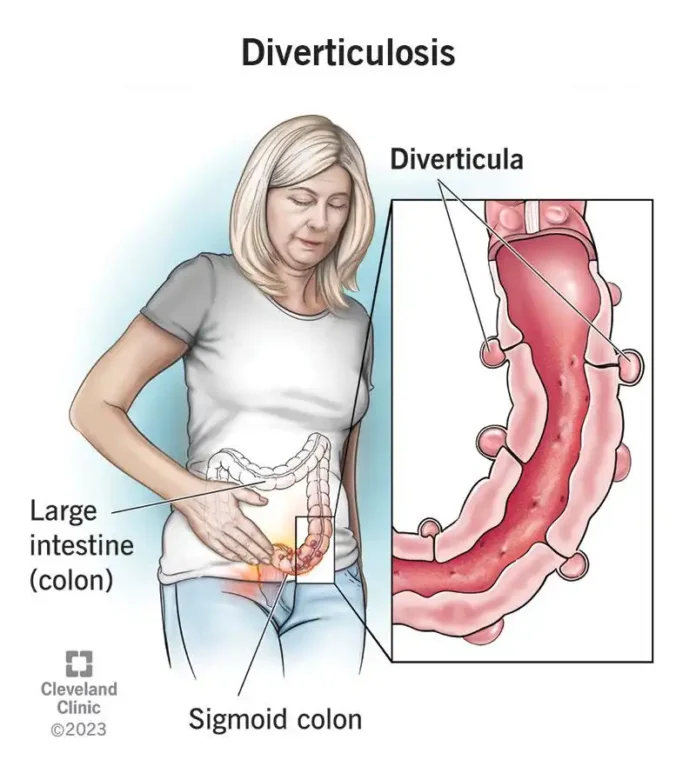
Diverticulitis happens when small pouches in the colon wall, called diverticula, become inflamed or infected. According to the Mayo Clinic, common symptoms include abdominal pain, fever, nausea, constipation, diarrhea, and noticeable stool changes. Understanding what these bowel changes can look like may help people recognize when it is time to contact a healthcare professional.
This guide explains the most common stool appearances linked to diverticulitis, what may cause them, and when certain symptoms could signal a medical emergency.
What Does Diverticulitis Do to Your Stool?
Diverticulitis can affect how stool moves through the colon. Inflammation may narrow sections of the bowel, slow digestion, or irritate the intestinal lining. As a result, bowel movements may suddenly look different from your usual pattern.
Some people experience constipation with hard, pellet-like stool, while others develop loose stools or diarrhea. During active inflammation, stool may also become thinner, irregularly shaped, or mixed with mucus. In more serious cases, blood may appear in the stool.
Not every unusual bowel movement means diverticulitis is present. Similar changes can happen with irritable bowel syndrome, infections, hemorrhoids, inflammatory bowel disease, or colon cancer. That is why persistent symptoms should always be evaluated medically rather than diagnosed through internet photos alone.
Common Stool Changes Seen With Diverticulitis
Hard or Pellet-Like Stool
One of the most common complaints during a flare is constipation. Stool may appear as small, dry pellets that are difficult to pass. This often happens because inflammation slows normal bowel movement through the colon.
Health experts frequently connect pellet-shaped stool with dehydration or low fiber intake. During diverticulitis, people may temporarily switch to a low-fiber diet to reduce irritation, which can contribute to harder stool consistency.
Hard stool can increase pressure inside the colon, potentially worsening discomfort. Straining during bowel movements may also intensify abdominal pain, especially in the lower left side where diverticulitis commonly occurs.
Thin or Pencil-Shaped Stool
Many online searches about diverticulitis poop images are actually focused on narrow stools. Inflammation inside the colon can temporarily narrow the bowel passage, producing thinner stool than usual.
Pencil-thin stool occasionally appears during flare-ups, especially when swelling affects the sigmoid colon. Community discussions from people living with diverticular disease frequently mention long, narrow, or ribbon-like stool during active symptoms. Read about henry cole net worth
However, persistent thin stool should never be ignored. Medical experts note that ongoing narrow stools, especially when paired with bleeding, weight loss, or severe pain, may require evaluation to rule out more serious conditions.
Loose Stool or Diarrhea
Although constipation is common, some people experience the opposite problem. Inflammation can irritate the digestive tract enough to trigger loose stool or diarrhea.
Diarrhea during diverticulitis may occur suddenly and can alternate with constipation over several days. Stool may appear soft, jagged, or poorly formed rather than fully watery. Some patients also report increased urgency or more frequent bathroom visits.
If diarrhea becomes severe or is accompanied by fever, vomiting, or dehydration symptoms, medical care is important. Persistent diarrhea can quickly lead to fluid loss, particularly in older adults.
Can Diverticulitis Cause Blood or Mucus in Stool?
Bright Red Blood
Blood in the stool can happen when inflamed diverticula bleed. The appearance may range from small streaks on toilet paper to noticeable red blood in the toilet bowl.
Bright red blood often suggests bleeding lower in the digestive tract. While mild bleeding sometimes stops on its own, significant bleeding requires immediate medical evaluation. According to the Mayo Clinic, diverticular bleeding is one possible complication of the condition.
Blood should never be automatically blamed on diverticulitis without proper testing. Hemorrhoids, anal fissures, colon polyps, and colorectal cancer can also cause rectal bleeding.
Dark or Black Stool
Black, tarry stool may indicate bleeding higher in the digestive system or slower-moving blood that has been digested before leaving the body. This symptom is considered more urgent than occasional bright red spotting.
Medical experts advise seeking care promptly if stool becomes black, sticky, or tar-like, especially when paired with weakness, dizziness, or abdominal pain.
Because internal bleeding can become dangerous quickly, black stool should not be monitored casually at home without medical guidance.
Mucus in Stool
Some people with diverticulitis notice mucus mixed into bowel movements. This may appear clear, yellowish, or stringy. Intestinal inflammation often increases mucus production as the colon tries to protect irritated tissue.
Online patient discussions frequently describe mucus strands mistaken for parasites or worms during flare-ups. While mucus can occur with diverticulitis, it may also appear in conditions like IBS or infections.
Occasional small amounts of mucus are not always serious, but persistent mucus combined with pain, bleeding, or diarrhea should be checked medically.
Why People Search for Diverticulitis Poop Images
Changes in stool can feel alarming, especially when symptoms appear suddenly. Many people search for images online to compare their bowel movements with others experiencing similar conditions.
While visual comparisons can provide reassurance, stool appearance alone cannot confirm diverticulitis. Doctors typically rely on several factors, including:
- Physical symptoms
- Medical history
- Blood tests
- CT imaging
- Colonoscopy after recovery
A single unusual bowel movement may not mean anything serious. What matters more is the overall pattern and whether symptoms continue or worsen.
Other Symptoms That Often Appear With Stool Changes
Lower Left Abdominal Pain
Pain in the lower left abdomen is considered one of the hallmark signs of diverticulitis. The discomfort may begin suddenly or build gradually over time.
Many people describe the pain as cramping, aching, or sharp pressure that worsens after eating or during bowel movements. According to the Mayo Clinic, this symptom commonly appears alongside changes in stool habits.
Persistent abdominal tenderness should always be evaluated if accompanied by fever or abnormal stool.
Fever and Chills
A fever can suggest active infection or significant inflammation. Mild cases may produce low-grade fever, while severe diverticulitis can cause chills, sweating, and fatigue.
When fever occurs together with constipation, diarrhea, or bloody stool, doctors may recommend imaging to check for complications such as abscesses or bowel perforation.
Ignoring worsening fever can allow infection to spread beyond the colon, which may become dangerous without treatment.
Bloating and Gas
Inflammation can disrupt normal digestion and increase gas buildup in the intestines. Many people experience bloating, pressure, or excessive burping during flare-ups.
Some patients report feeling full quickly after meals or noticing unusual bowel sounds. While uncomfortable, these symptoms are fairly common during digestive inflammation and often improve once the flare settles.
When Stool Changes Become an Emergency
Certain symptoms require immediate medical attention rather than home monitoring. These warning signs may indicate complications such as bleeding, obstruction, or bowel perforation.
Seek urgent medical care if you experience:
- Severe abdominal pain
- High fever
- Large amounts of blood in stool
- Black or tarry stool
- Persistent vomiting
- Inability to pass stool or gas
- Fainting or dizziness
- Rapid worsening of symptoms
Complicated diverticulitis can occasionally lead to abscesses, fistulas, or perforation of the colon wall. Early treatment greatly reduces the risk of serious complications.
How Doctors Evaluate Diverticulitis Symptoms
Doctors usually diagnose diverticulitis using symptom history combined with imaging tests. CT scans are commonly used because they can reveal inflammation, infection, or complications inside the colon.
Blood tests may show elevated white blood cells during infection. Stool testing may also be used to rule out other causes of diarrhea or bleeding.
After inflammation improves, some patients undergo colonoscopy to examine the colon more closely and exclude conditions like colorectal cancer or inflammatory bowel disease.
FAQ
Q: What does diverticulitis stool usually look like?
A: Stool during diverticulitis can vary widely. Some people develop hard pellet-like constipation, while others experience loose stool or diarrhea. Thin stools, mucus, or occasional blood may also appear during active inflammation.
Q: Can diverticulitis cause pencil-thin stool?
A: Yes. Inflammation in the colon can temporarily narrow the bowel passage, which may produce thin or ribbon-like stool. Persistent narrow stool should still be evaluated by a healthcare provider to rule out other conditions.
Q: Is blood in stool common with diverticulitis?
A: Blood can occur with diverticulitis, especially if inflamed diverticula begin bleeding. Bright red blood, maroon stool, or black tarry stool all require medical evaluation because bleeding may become serious.
Q: Can diverticulitis cause mucus in stool?
A: Yes. Inflammation in the colon may increase mucus production, leading to clear, yellow, or stringy mucus mixed with stool. Persistent mucus alongside pain or diarrhea should be medically assessed.
Q: Should I rely on diverticulitis poop images online?
A: Online images may help people recognize possible symptoms, but stool appearance alone cannot diagnose diverticulitis. Similar bowel changes can happen with many digestive disorders, so proper medical evaluation is important.
Conclusion
Searching for diverticulitis poop images is often driven by concern over sudden and unusual bowel changes. While stool appearance can provide clues about digestive health, it should never replace professional medical evaluation.
Diverticulitis may cause constipation, diarrhea, narrow stools, mucus, or even bleeding depending on the severity of inflammation. Paying attention to these changes, especially when paired with abdominal pain or fever, can help people seek treatment sooner.
If bowel symptoms persist, worsen, or include bleeding or severe pain, speaking with a healthcare provider is the safest next step. Early diagnosis and proper care can reduce complications and support long-term digestive health.