Kang the Conqueror is one of Marvel Comics’ most complex and powerful villains. Unlike many supervillains who rely solely on strength or supernatural abilities, Kang uses advanced future technology, brilliant strategic thinking, and mastery over time travel to threaten entire civilizations across multiple timelines. As a recurring enemy of the Avengers and the Fantastic Four, Kang has become one of Marvel’s defining antagonists, with countless alternate versions of himself appearing throughout comic book history. This guide explores Kang’s comic origins, powers, major storylines, Marvel Cinematic Universe appearances, and why he remains such a fascinating character despite the MCU’s changing direction.
Who Is Kang the Conqueror?
Kang the Conqueror is the supervillain identity most commonly used by Nathaniel Richards, a genius from an alternate future timeline. Equipped with highly advanced technology from the 31st century, Kang travels through time seeking to conquer civilizations, reshape history, and establish himself as history’s greatest ruler. Unlike traditional villains driven purely by revenge or greed, Kang believes he is destined to dominate time itself.
His story becomes even more complicated because time travel continuously creates alternate versions of him. Some variants become heroes, while others evolve into even greater threats. These include Immortus, Rama-Tut, Iron Lad, Victor Timely, Scarlet Centurion, and numerous other versions that coexist across the multiverse.
The Comic Book Origin of Kang
Kang first appeared in Avengers #8 in 1964, created by legendary Marvel creators Stan Lee and Jack Kirby. Although readers initially encountered him as Kang the Conqueror, later stories revealed his deeper history.
Nathaniel Richards originates from an alternate future where scientific advancement surpassed anything known in the modern Marvel Universe. Discovering time-travel technology left behind by Doctor Doom, Richards began exploring different historical eras. His travels eventually convinced him that history was meant to be ruled rather than observed.
One of his earliest identities was Rama-Tut, an Egyptian pharaoh who attempted to control ancient Egypt using futuristic weapons. After losing control of that empire, he adopted new identities before eventually becoming Kang the Conqueror, launching military campaigns against countless civilizations throughout time.
Kang’s Powers and Abilities
Unlike many Marvel villains, Kang possesses no natural superhuman powers. His strength comes from intelligence, preparation, and technology that is centuries beyond present-day science.
His most dangerous advantages include:
- Advanced armor that enhances strength, durability, and energy projection
- Highly sophisticated time-travel technology
- Genius-level scientific knowledge
- Master strategist and military commander
- Access to futuristic weapons
- Vast armies from conquered timelines
- Extensive understanding of alternate realities
Because Kang often prepares for battles years—or even centuries—in advance, defeating him usually requires far more than physical power.
Why Kang Is So Dangerous
Master of Time
Most Marvel villains threaten a single city, planet, or universe. Kang threatens history itself.
By altering one event in the past, Kang can create entirely new realities. Even when heroes defeat one version of him, another variant may already be executing a different plan somewhere else in time.
This ability makes him uniquely difficult to eliminate permanently.
Countless Variants
Perhaps Kang’s greatest strength is that there isn’t just one Kang.
Marvel comics feature many versions, including:
- Immortus — an older, wiser version manipulating history from behind the scenes.
- Iron Lad — a younger Nathaniel Richards who rejects becoming Kang and later helps found the Young Avengers.
- Rama-Tut — the ancient Egyptian ruler.
- Scarlet Centurion — another militaristic version seeking domination.
- Victor Timely — an inventor living in the early twentieth century.
These variants frequently cooperate, compete, or even fight one another, making Kang’s story far more complicated than that of most comic book villains.
Kang’s Greatest Enemies
Although Kang has battled nearly every major Marvel hero, several opponents stand above the rest.
The Avengers
The Avengers remain Kang’s primary enemies.
Since his first appearance, Kang has repeatedly invaded Earth’s timeline, challenged the Avengers across different eras, and attempted to rewrite history to ensure his own victory.
Some of Marvel’s biggest Avengers storylines revolve around Kang’s invasions and time-travel conflicts.
The Fantastic Four
Because Nathaniel Richards is often connected to the Richards family lineage in Marvel continuity, Kang shares an especially interesting relationship with the Fantastic Four.
His complicated family ties add emotional depth to conflicts that would otherwise be straightforward battles between heroes and villains.
Kang in Major Marvel Comics
Several comic stories have helped define Kang over the decades.
Avengers #8
This landmark issue introduced Kang as a futuristic conqueror attempting to subjugate modern Earth.
Kang Dynasty
One of Kang’s most famous storylines sees him launching a full-scale invasion of Earth. Unlike previous villains, Kang successfully conquires much of the planet before the Avengers eventually fight back.
Avengers Forever
This series explores Kang’s many timelines, alternate identities, and the complicated nature of his existence across history.
Kang the Conqueror (2021)
Marvel’s modern limited series expands Kang’s personal history, motivations, and evolution into one of the publisher’s greatest villains.
Kang the Conqueror in the Marvel Cinematic Universe
The Marvel Cinematic Universe introduced audiences to Kang through one of his variants rather than the conqueror himself.
He Who Remains
The Disney+ series Loki first introduced He Who Remains, a peaceful variant responsible for maintaining the Sacred Timeline and preventing devastating multiversal wars.
His death allowed countless timelines to branch, opening the door for more dangerous Kang variants.
Ant-Man and the Wasp: Quantumania
The MCU’s main Kang appeared in Ant-Man and the Wasp: Quantumania. Exiled by other Kang variants, this version attempted to escape the Quantum Realm and resume conquering the multiverse.
Although Ant-Man and his allies defeated him, the film’s ending revealed the existence of countless other Kang variants gathering together, suggesting an even greater threat.
What Happened to Kang’s MCU Future?
Marvel Studios originally positioned Kang as the central villain of the Multiverse Saga, with Avengers: The Kang Dynasty planned as a major crossover film.
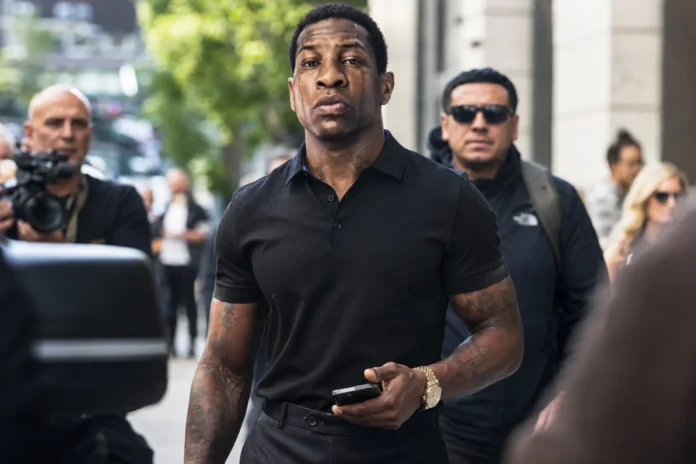
However, following legal issues involving actor Jonathan Majors and broader creative changes, Marvel significantly revised its plans. The project was reworked into Avengers: Doomsday, with Doctor Doom becoming the primary antagonist instead of Kang. While Kang remains an important Marvel Comics character, his long-term role in future MCU projects is currently uncertain.
Why Fans Still Love Kang
Kang stands apart from many comic book villains because his motivations extend beyond simple destruction.
Readers appreciate him because:
- His stories combine science fiction with superhero action.
- Time travel creates unpredictable narratives.
- His many identities keep every appearance fresh.
- He frequently outsmarts heroes instead of overpowering them.
- His victories often feel believable due to careful planning.
Many fans consider Kang one of Marvel’s most intellectually challenging villains because defeating him requires strategy as much as strength.
Frequently Asked Questions
Is Kang the Conqueror stronger than Thanos?
Physically, Thanos is generally more powerful. However, Kang’s mastery of time travel, advanced technology, and strategic planning often make him just as dangerous. Given enough preparation, Kang can manipulate events long before a battle even begins.
Is Kang related to Reed Richards?
Marvel comics have presented Nathaniel Richards as a distant descendant or relative of Reed Richards in several storylines, although details vary across different continuities. Their connection has remained one of the more intriguing aspects of Kang’s history.
Why are there so many versions of Kang?
Every major decision Kang makes while traveling through time can create alternate timelines. Those branching realities produce different versions of Nathaniel Richards, each developing unique personalities, goals, and identities.
What are Kang’s biggest weaknesses?
Kang’s greatest weakness is often his own ambition. His desire to conquer every timeline sometimes leads him to underestimate opponents or become distracted by conflicts with his own variants. Additionally, many of his plans rely heavily on advanced technology that determined heroes can exploit.
Conclusion
Kang the Conqueror remains one of Marvel’s most sophisticated villains because his greatest weapon is not brute force but control over time itself. His endless variants, futuristic technology, and intricate history have made him a cornerstone of Marvel Comics for decades. Although the Marvel Cinematic Universe has shifted away from making Kang its primary overarching antagonist, his influence on Marvel storytelling remains significant. Whether readers discover him through classic Avengers comics or modern multiverse stories, Kang continues to represent one of superhero fiction’s most ambitious and intellectually compelling adversaries.
Read About : lil loaded