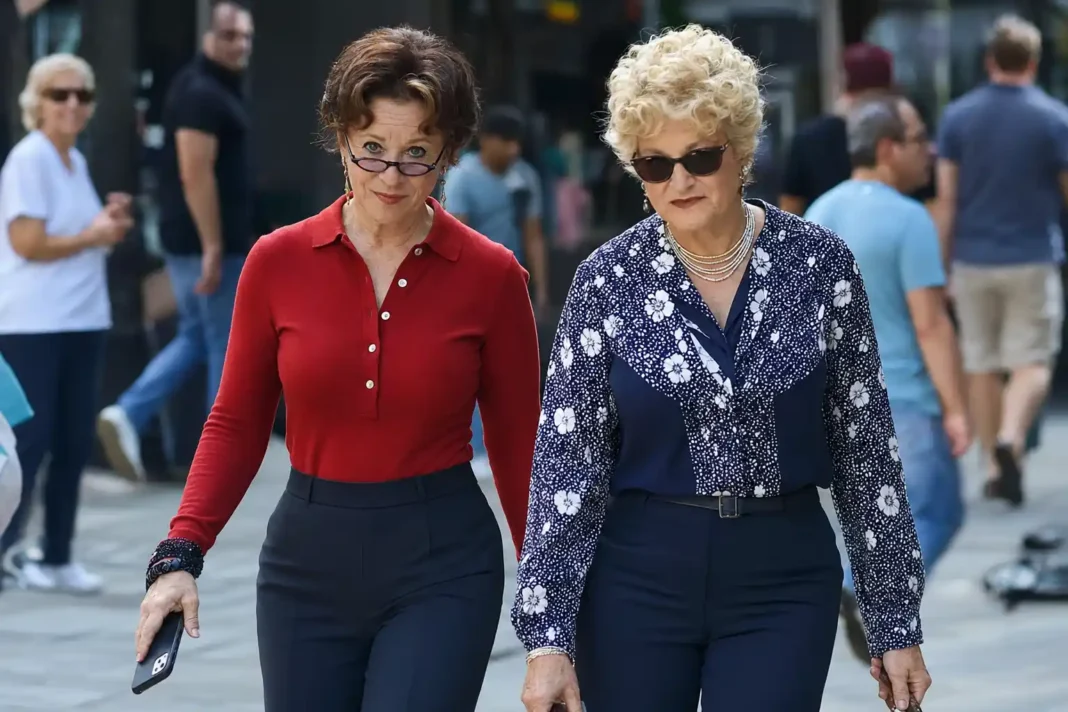
The Spanish royal family remains one of Europe’s most closely watched monarchies. While Spain is a parliamentary democracy, the monarchy continues to play an important constitutional and symbolic role in national life. Today, the royal household is led by King Felipe VI, supported by Queen Letizia and their two daughters, Princess Leonor and Infanta Sofía.
The modern Spanish monarchy combines centuries of tradition with a contemporary public image. From the restoration of the monarchy in the 1970s to the rise of a new generation represented by Princess Leonor, the family continues to evolve while maintaining its constitutional duties. This guide explores the history, key members, responsibilities, and future of the Spanish Crown.
The History of the Spanish Royal Family
The Bourbon Dynasty and Its Origins
The current royal family belongs to the House of Bourbon, a dynasty that has shaped Spanish history for more than three centuries. The Bourbon line began ruling Spain in the early eighteenth century and has remained closely tied to the country’s political and cultural development.
Like many European monarchies, Spain’s royal institution has experienced periods of change, including exile, political upheaval, and restoration. Despite these challenges, the monarchy has survived and adapted to changing democratic expectations, helping maintain continuity within the Spanish state.
The Restoration of the Monarchy
A defining moment came in 1975 when King Juan Carlos I ascended the throne following the death of General Francisco Franco. His reign became closely associated with Spain’s transition from dictatorship to democracy, making him one of the most significant figures in modern Spanish history.
Under the Spanish Constitution, the monarch serves as head of state while political authority remains with elected institutions. This constitutional framework continues to define the role of the Crown today.
The Transition to King Felipe VI
In 2014, Juan Carlos I abdicated the throne, and his son Felipe VI became king. The transition marked the beginning of a new era focused on transparency, modernization, and public trust. Since taking the throne, Felipe VI has emphasized institutional stability and the constitutional responsibilities of the monarchy.
His reign has also brought greater visibility to the next generation of royals, particularly Princess Leonor, who is preparing for her future role as Spain’s queen.
Current Members of the Spanish Royal Family
King Felipe VI
King Felipe VI was born on January 30, 1968, in Madrid. He is the son of King Juan Carlos I and Queen Sofía and became king on June 19, 2014. As Spain’s head of state, he represents the nation at home and abroad while carrying out constitutional duties.
Felipe has sought to modernize the institution by promoting accountability and reinforcing the monarchy’s role as a politically neutral symbol of national unity. His leadership continues to shape public perceptions of the Crown in the twenty-first century.
Queen Letizia
Queen Letizia brought a modern perspective to the monarchy when she married then-Prince Felipe in 2004. Before joining the royal family, she worked as a respected journalist and television news presenter.
As queen consort, she is known for her involvement in education, health, culture, and social initiatives. Her professional background and public engagement have helped shape a contemporary image for the Spanish royal household.
Princess Leonor
Leonor, Princess of Asturias, is the eldest daughter of King Felipe VI and Queen Letizia. Born in 2005, she became heir to the Spanish throne when her father became king in 2014.
Her preparation for future leadership includes advanced education and extensive military training. In 2026, she made history by becoming the first member of the Spanish royal family to qualify as a paratrooper, highlighting the seriousness of her preparation for eventual queenship.
Infanta Sofía
Infanta Sofía, born in 2007, is the younger daughter of King Felipe VI and Queen Letizia. She is second in the line of succession after her sister.
Although she is not the direct heir, Sofía increasingly participates in official events and public engagements. Her education and growing public role reflect the royal family’s efforts to prepare younger members for service to the nation.
The Role of the Spanish Monarchy Today
Constitutional Responsibilities
Spain operates as a constitutional monarchy, meaning the king serves as head of state but does not govern. Executive authority belongs to elected officials and institutions. The monarch’s responsibilities include formally appointing governments, representing Spain internationally, and performing ceremonial functions.
The Crown also acts as a symbol of continuity and national unity, standing above party politics and helping reinforce constitutional stability.
Public Engagement and Representation
Members of the royal family regularly attend cultural, diplomatic, military, educational, and charitable events. These appearances help strengthen connections between the monarchy and Spanish society.
Internationally, the royal family often serves as a diplomatic bridge. State visits, official receptions, and meetings with foreign leaders remain an important aspect of their public responsibilities. Recent diplomatic events hosted by King Felipe VI and Queen Letizia demonstrate this continuing role.
The Importance of Public Trust
Like other European monarchies, the Spanish royal family operates in an environment of intense public scrutiny. Maintaining credibility and public confidence has become a central challenge for the institution.
The current royal household has generally focused on professionalism, transparency, and a relatively streamlined family structure. This approach is intended to strengthen the monarchy’s long-term relevance within modern democratic Spain.
The Future of the Spanish Royal Family
Princess Leonor as Future Queen
The future of the monarchy largely rests with Princess Leonor. As heir to the throne, she represents a new generation of royal leadership and has already assumed increasing constitutional and ceremonial responsibilities.
Her education, military training, and public appearances are designed to prepare her for the responsibilities she will eventually inherit. Many observers view her as a key figure in ensuring the monarchy’s continued relevance.
A More Modern Monarchy
The Spanish royal family has gradually adopted a more modern and accessible image. Public communication, greater transparency, and a focus on service have become important elements of the institution’s identity.
This modernization effort reflects broader changes across European monarchies, where public expectations increasingly emphasize accountability and social engagement rather than ceremony alone.
Continuing Relevance in the 21st Century
As Spain continues to evolve politically, socially, and economically, the monarchy faces the challenge of remaining meaningful to future generations. The emergence of Princess Leonor and the active roles of younger royals suggest that the institution is actively preparing for that future.
Whether through constitutional duties, diplomacy, or public service, the royal family remains a visible part of Spain’s national identity and international image.
FAQ
Q: Who is the current head of the Spanish royal family?
A: King Felipe VI is the current head of the Spanish royal family and the reigning monarch of Spain. He succeeded his father, King Juan Carlos I, after the latter’s abdication in 2014.
Q: Who will be the next monarch of Spain?
A: Princess Leonor, the Princess of Asturias, is first in the line of succession and is expected to become Spain’s future queen. She has been undergoing extensive military and academic preparation for her future role.
Q: What does the Spanish king actually do?
A: The king serves as Spain’s constitutional head of state. His role is largely ceremonial and representative, while political power rests with elected government institutions.
Q: Is Queen Letizia from a royal background?
A: No. Before marrying King Felipe VI in 2004, Queen Letizia worked as a journalist and television news presenter, making her one of the most prominent commoners to marry into a European royal family.
Q: Who are the main members of the Spanish royal family today?
A: The core royal family consists of King Felipe VI, Queen Letizia, Princess Leonor, and Infanta Sofía. Former King Juan Carlos I and Queen Sofía also remain important figures connected to the monarchy.
Conclusion
The Spanish royal family occupies a unique position in modern Europe. Rooted in centuries of history yet operating within a democratic constitutional framework, the monarchy continues to play a symbolic and institutional role in Spanish public life. Under King Felipe VI, the Crown has emphasized modernization, stability, and public service while preparing a new generation of leadership through Princess Leonor and Infanta Sofía.
As Spain moves forward, the monarchy’s future will depend on its ability to balance tradition with contemporary expectations. For now, the Spanish royal family remains a significant national institution and an enduring part of Spain’s cultural and political landscape.
Read more about: Hinge and Bracket : The Truth Behind the Famous Comedy Duo